MOOC COURSE

Introduction to Christian Archaeology

Discover the origins of Christianity through places, monuments, and images

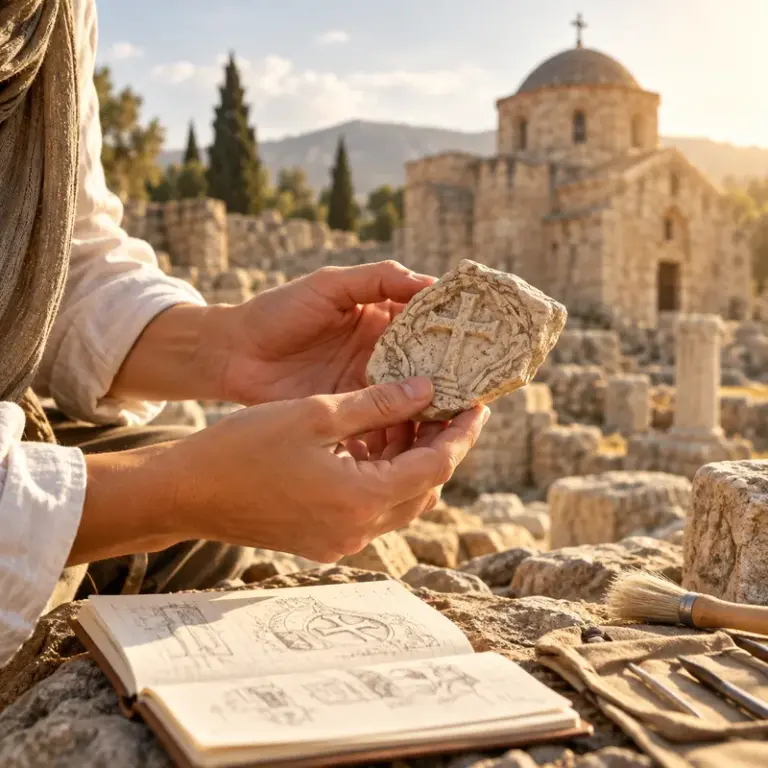
An introductory course to Christian archaeology that will help you learn how to interpret the material, architectural, epigraphic, and iconographic evidence of the first centuries of Christianity.

100% online

None

3 months

Italian

1 ECTS

Why choose this course

A different reading of the Comedy

Beyond texts: the material traces of early Christianity

The history of the first Christian communities is not preserved only in written documents. Buildings, burials, inscriptions, images, and transformations of urban spaces help us understand how Christianity developed and progressively changed the world of Late Antiquity.

The course introduces the main themes and methods of Christian archaeology, guiding students in the observation and interpretation of evidence dating approximately from the 3rd to the 7th century.

Through video lessons, transcripts, concise materials, and self-assessment activities, you will acquire the initial tools needed to interpret monuments, sources, and images within their historical, cultural, and religious context.
Who is it for?

This course is designed for you if…

You are interested in history and archaeology

You want to learn about the material evidence through which the life of the first Christian communities can be reconstructed.

You study theology or religious disciplines

You want to integrate the study of written sources with knowledge of monuments, inscriptions, and early Christian art.

You teach or work in education

You are looking for content and tools useful for educational, cultural, academic, or pastoral activities.

You want to study flexibly

You need an online course that can be followed independently, at your own pace and without live classes.

Course program

A three-unit learning path

1
Unit 1

What Is Christian Archaeology?

The first unit introduces the origins and development of Christian archaeology as a scientific discipline.

By the end of the unit, you will be able to define its field of study, recognize its chronological limits, and understand the role of the comparative method in the study of evidence from ancient Christianity.

2
Unit 2

Topography and Monuments

The second unit explores the transformations produced by the Christian presence in the urban and suburban spaces of Late Antique society.

You will learn to analyze the main monuments of early Christianity and understand how buildings, places of worship, and funerary spaces progressively changed the ancient landscape.

3
Unit 3

Word and Images

The third unit connects the written sources of ancient Christianity with the earliest artistic and epigraphic expressions.

By the end, you will be able to recognize the dialogue between texts, images, and inscriptions and understand some of the theological and eschatological content expressed by early Christian culture.

Methodology

A clear, progressive, self-paced learning path

The course is delivered entirely online and asynchronously. After enrolling, you will have three months to access the content and organize your study according to your own schedule.

Recorded video lessons, selected materials, and additional resources will gradually guide you through the topics. Quizzes in the different units allow you to check your learning throughout the course, while the final assessment verifies that the expected learning objectives have been achieved.

A flexible, self-managed format designed to offer autonomy without sacrificing clarity, instructional progression, or academic quality.

Introducción a la Arqueología Cristiana

The instructor

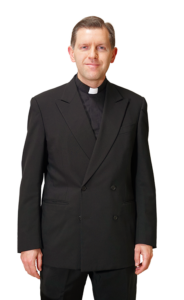
Prof. Domenico Benoci

Certification and academic value

Earn 1 ECTS credit

After completing the three units and passing the final assessment, you will receive the official document provided for the course, with the award of 1 ECTS credit.

The course corresponds to an overall workload of approximately 25–30 hours, including video lessons, individual study, teaching materials, and assessment activities.

Begin your journey into Christian archaeology

Discover how places, monuments, inscriptions, and images make it possible to reconstruct the life of the first Christian communities. An accessible introductory course that brings you closer to the origins of Christianity through the methods and evidence of archaeology.