
Beginning and End of Life
Comprender, argumentar y orientarse en las grandes cuestiones bioéticas
Desde el inicio de la vida hasta las decisiones al final de la vida, pasando por las nuevas posibilidades que abren las tecnologías emergentes: un recorrido para abordar algunas de las preguntas más decisivas de la existencia humana mediante herramientas conceptuales, argumentos y perspectivas bioéticas.


Why choose this course
Understanding the Christian vocation in everyday life.
Understand before taking a position
Life is one of the central issues in bioethical reflection. Questions about the beginning of human existence, abortion, euthanasia, assisted suicide or the possibilities offered by emerging technologies involve personal convictions, philosophical arguments, scientific knowledge and practical decisions.
What is a human being? What does a dignified life mean? Is it always worth protecting? To what extent can we intervene in life through technology?
The course provides tools to understand the main positions in contemporary debate and critically evaluate their arguments, avoiding responses based solely on emotions or previously held convictions.

Who it is for
This pathway is designed for you if…
You want to better understand debates about the beginning and end of life, beyond slogans and opposing positions.
You seek conceptual and reasoning tools to address issues involving dignity, vulnerability, care and decisions about life.
You wish to explore and compare different positions before forming or strengthening your convictions
You want to reflect on the possibilities and limits of human enhancement, transhumanism and the pursuit of technological immortality
Course programme
A pathway in three units
The beginning of life
The first unit introduces the main issues concerning nascent life, starting with the stages of embryonic development and the meaning of prenatal vulnerability.
You will explore the language used in the abortion debate and the main pro-life and pro-choice positions, learning to identify their assumptions and arguments.
End-of-life ethics
The second unit addresses some of the most complex issues that arise in the final stages of life. The pathway explores the principle of therapeutic proportionality and clarifies the contemporary meaning of terms such as euthanasia and assisted suicide, also considering the historical evolution of their use.
Emerging technologies and transhumanism
The third unit looks towards the future and the new possibilities for intervention in human life offered by technological development.
The pathway addresses the principle of procreative beneficence, the desire to overcome biological limits and proposals for physical, cognitive and emotional enhancement.
Methodology
An independent, clear and progressive pathway
The course takes place entirely online in an asynchronous format. After enrolling, you will have three months to access the content and organise your studies at your own pace.
Recorded video lessons, selected materials and further resources gradually guide you towards an understanding of the topics. The quizzes in the different units allow you to check your learning throughout the pathway, while the final assessment verifies achievement of the intended objectives.
A flexible, self-directed format designed to offer independence while maintaining clarity, learning progression and academic quality.

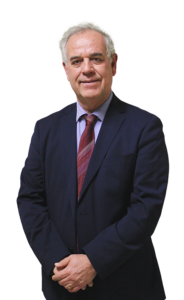
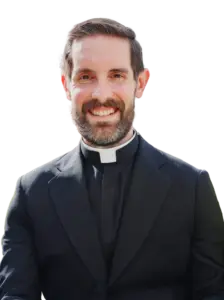
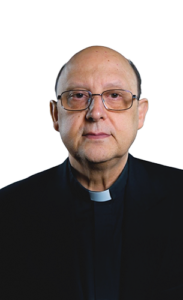
The professor
Certification and academic value
Upon completing the pathway
Earn 1 ECTS credit
After completing the three units and passing the final assessment, you will receive the official document provided for by the course, awarding 1 ECTS credit.
The pathway involves a total workload of approximately 25–30 hours, including video lessons, independent study, teaching materials and assessment activities.
Transform faith into life and prayer
Explore the Christian vocation, rediscover the meaning of the commandments and learn to recognise prayer as the heart of your relationship with God. An introductory pathway to integrate what you believe with what you are called to live each day.

